How can you measure your home blood pressure accurately? Master these 7 steps.
Home blood pressure measurement may seem straightforward, but factors such as cuff size, sitting posture, timing of the measurement, and pre-measurement activity can all influence the results. This article outlines seven practical steps to help you obtain more reliable home blood pressure readings.
BPVox Health Editorial Team · 2026-07-23 · 5 分钟阅读
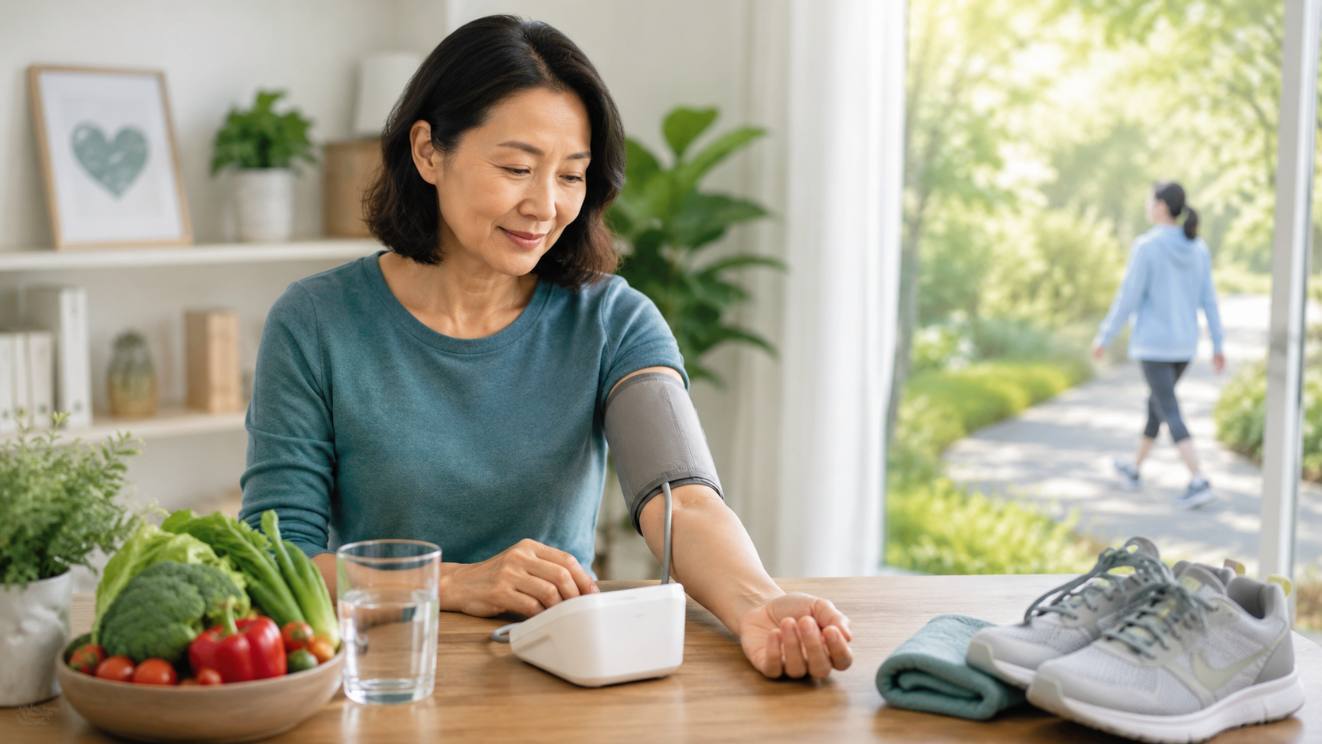
How can you measure your home blood pressure accurately? Master these 7 steps.
Measuring your blood pressure at home can help you keep track of its fluctuations and make it easier to provide your doctor with a more comprehensive record during your visit.
However, measuring blood pressure at home is not as simple as “wrapping the cuff around your arm and pressing a button.” Whether you have exercised prior to measurement, whether the cuff fits properly, and whether your arm is at the same level as your heart can all affect the final result. Standardized home monitoring, combined with guidance from a professional healthcare team, helps to better manage blood pressure.
Step 1: Choose the appropriate blood pressure monitor.
For home use, prioritize a validated automatic upper-arm blood pressure monitor and ensure the cuff size is appropriate for your upper arm circumference.
Cuffs that are too large or too small can both lead to inaccurate readings. Wrist‑ and finger‑based devices are generally more susceptible to positional effects and should therefore not be used as the first choice. After purchasing the device, bring it with you to your medical appointment so that your doctor or nurse can verify its proper use and the reliability of its readings.
Step 2: Prepare before taking measurements
About 30 minutes before the measurement, you should avoid as much as possible:
1. Vigorous exercise
2. Smoking
3. Drinking coffee, strong tea, or other caffeinated beverages
4. Eating large quantities
Before taking the measurement, you may first empty your bladder and choose a quiet location where you will not be frequently disturbed.
Step 3: Rest quietly for at least 5 minutes.
Do not take the measurement immediately after sitting down.
First, rest quietly for at least 5 minutes, during which time avoid talking, watching short videos, making phone calls, or engaging in anything that might make you anxious. Emotional stress, recent physical activity, or sitting down hastily can all cause temporary fluctuations in blood pressure.
Step 4: Maintain proper posture while sitting.
The correct posture includes:
1. Keep your back against the chair back. 2. Place both feet flat on the floor.
3. Keep your legs naturally apart; do not cross them.
4. Place your arms on the desk and ensure they are fully supported.
5. The cuff should be positioned approximately at the same level as the heart.
6. Remain quiet during the measurement; do not speak.
Having your arms hanging naturally, crossing your legs, or sitting without proper back support can all affect the reading.
Step 5: Place the cuff around your bare upper arm.
The cuff should be in direct contact with the skin; do not measure through a sweater, shirt, or coat.
The lower edge of the cuff is typically positioned just above the cubital fossa, and its tightness should conform to the device’s instructions. Keep your arm relaxed, with your palm facing up, and ensure the cuff is positioned at roughly heart level.
Step 6: Take two measurements each time.
A single measurement may be influenced by mood, posture, or recent activity.
It is recommended to perform at least two consecutive measurements each time, with an interval of approximately 1 minute between measurements, and to record the results of each measurement. Try to measure at roughly the same time each day; the specific frequency should be determined based on your doctor’s recommendations and your individual circumstances.
Step 7: Save and observe the long-term trend.
When recording, do not limit yourself to systolic and diastolic blood pressure; you can also document:
Measurement date and time
Heart rate
Whether to take medication
Have you just exercised, consumed coffee, or been feeling emotionally stressed?
Were you experiencing any discomfort at the time, such as dizziness or chest tightness?
Home blood pressure monitoring can help physicians track changes over time. Do not self-diagnose or adjust your medication based on a single elevated reading, and do not stop taking your medication without first consulting your doctor or pharmacist.
Six Common Measurement Errors
The following behaviors can easily reduce the reliability of the readings:
Wrap the cuff over your clothing.
Measuring right after finishing exercise.
Talking or using a mobile phone during measurement.
The arm is suspended, with no support.
Crossed legs or feet not flat on the ground.
Test only once, and record only the result you are satisfied with.
What should I do if the measurement results are too high?
First, remain quiet and verify that your posture, the cuff, and the device are properly positioned; then, wait a short interval before taking another measurement.
A single home blood pressure reading is insufficient to establish a diagnosis of hypertension. If repeated measurements remain abnormal, the records should be provided to a physician, who will make a comprehensive assessment based on the patient’s medical history, medications, and other diagnostic tests.
If unusually high readings are accompanied by symptoms such as chest pain, shortness of breath, weakness or numbness in the limbs, vision changes, or difficulty speaking, seek emergency medical attention promptly.
Summary
Reliable home blood pressure data come from the use of appropriate devices, proper posture, repeated measurements, and consistent recording.
You can remember this sentence:
Before taking a measurement, remain calm and sit properly with your arm at the same level as your heart. Measure twice each time, and long-term tracking is more important than a single reading.
Disclaimer
This article is intended solely for general health education and should not be construed as a substitute for a physician’s diagnosis, treatment, or personalized medical advice. Individuals currently taking antihypertensive medications, experiencing abnormal blood pressure during pregnancy, or with cardiovascular disease should be monitored according to a plan established by healthcare professionals.
Reference Material
- American Heart Association: Home Blood Pressure Monitoring and Proper Measurement Techniques.
- CDC: Steps for Home Blood Pressure Measurement and Common Influencing Factors.
- National Heart, Lung, and Blood Institute: Guidelines for Home Blood Pressure Monitoring.
- CDC: Hypertension Management and Home Monitoring Recommendations.